01
Begin with the clay
Before choosing a time, name the body, its maker and firing range. Add the glaze, size, readiness and anything still unknown.
Our Story
An atlas tells us where we are. Clay asks a related question: what is this body, what has happened to it, and what conditions does it need next?
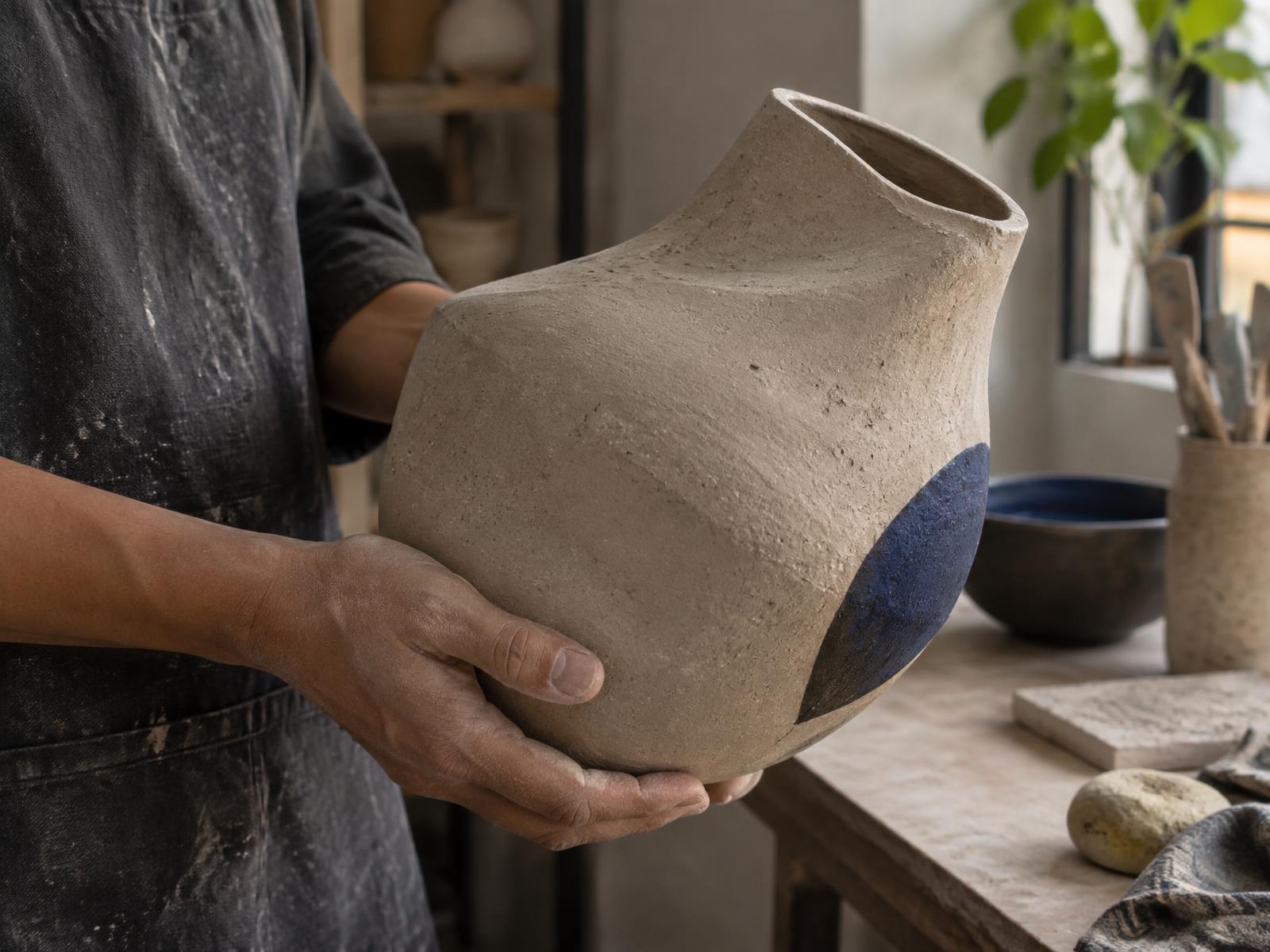
Orientation through transformation
Kiln names transformation: accumulated choices meeting heat, with little room to reverse them. Atlas names orientation: a way to locate a material and understand its next threshold.
Indiranagar is the imagined setting—a dense, creative Bengaluru neighbourhood used as narrative context, not a real address. The idea is simple: material information deserves the same care as the object it describes.
Kiln Atlas gathers the questions easily lost in messages: which body, which range, which glaze, how dry, how large. A sample intake, private status and owner kiln board show how those answers could remain useful from first note to final stage.
How the idea took shape
01
Before choosing a time, name the body, its maker and firing range. Add the glaze, size, readiness and anything still unknown.
02
A reservation can hold the maker’s notes without pretending they settle suitability. The next decision belongs to a person looking closely at the work.
03
The maker sees a clear status; the owner sees the details needed to decide what comes next. Neither has to reconstruct the handoff from scattered messages.
From hand to heat
A form begins with a named body, a firing range, a construction history and moisture moving at its own pace. Glaze adds another material with another range. A good handoff brings those facts together before inspection.
If the owner marks a sample suitable, it can enter the matching cone lane and move through planned, firing, cooling and complete stages. These are simulated states, but the distinction is useful: choosing a time is not the same as accepting work for heat.
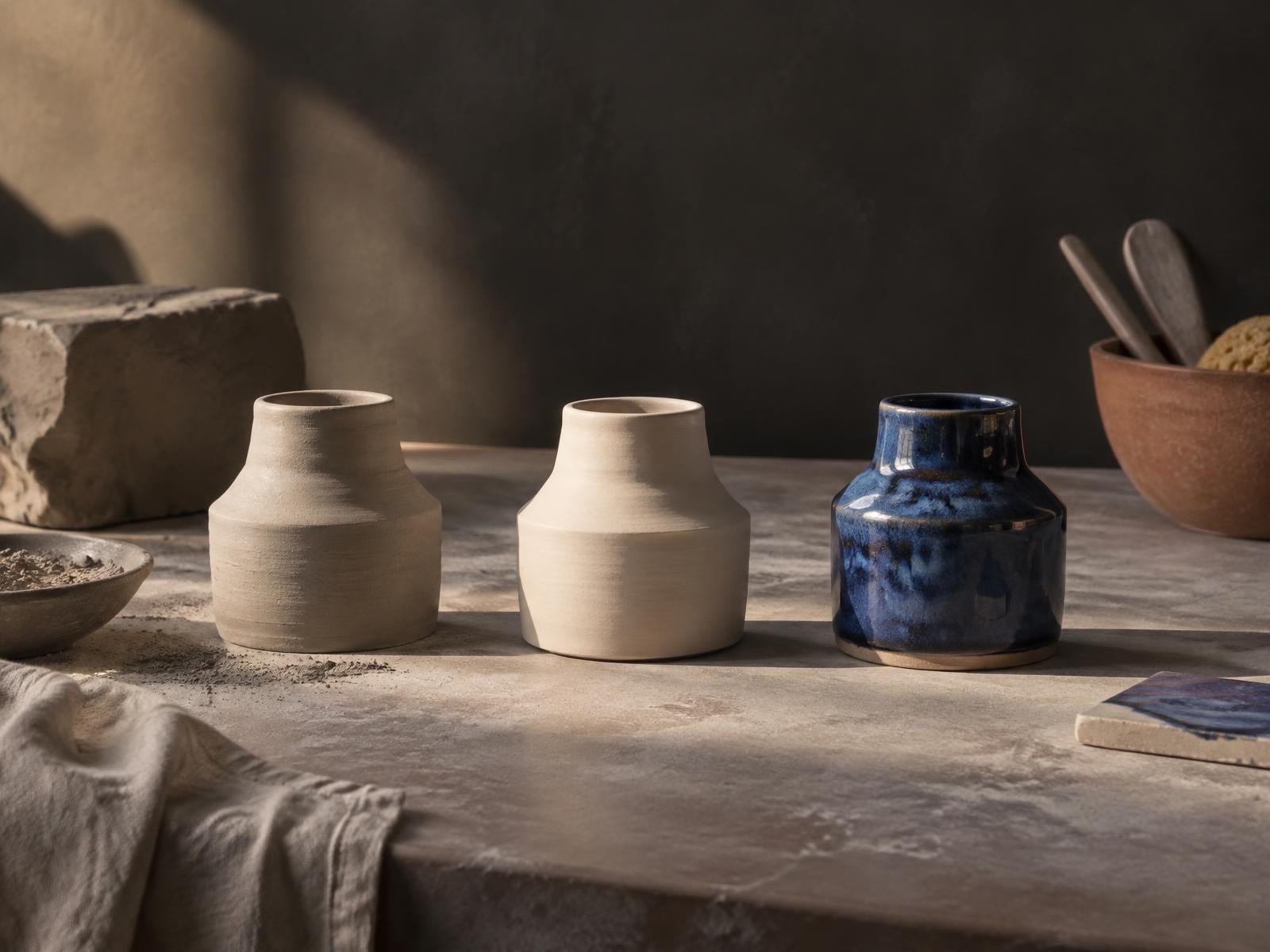
Four principles
Each principle becomes a practical choice: what the intake asks, what inspection can say, and when a piece should pause rather than move forward.
Clay and glaze details come before review: what the piece is made from, who made the material, and the range printed on its label.
Readiness cannot be reduced to a universal drying timer. Thickness, joins and atmosphere all matter, and judgment still belongs to a person.
Maker details and inspection decisions remain together, so the reason for a pause does not disappear behind a generic status.
Confirmed means a sample reservation exists; it does not mean a firing is accepted. Unknown and needs clarification are useful states when certainty would be misleading.
A confirmed sample time remains separate from an accepted firing. Unknown and mismatched cone information asks for judgment rather than an automatic answer. The result is not frictionless; it is legible where care matters.
Continue reading