CONE 04
Bisque firing
For bone-dry greenware. The intake asks for the clay body, its firing range and an honest note on readiness.
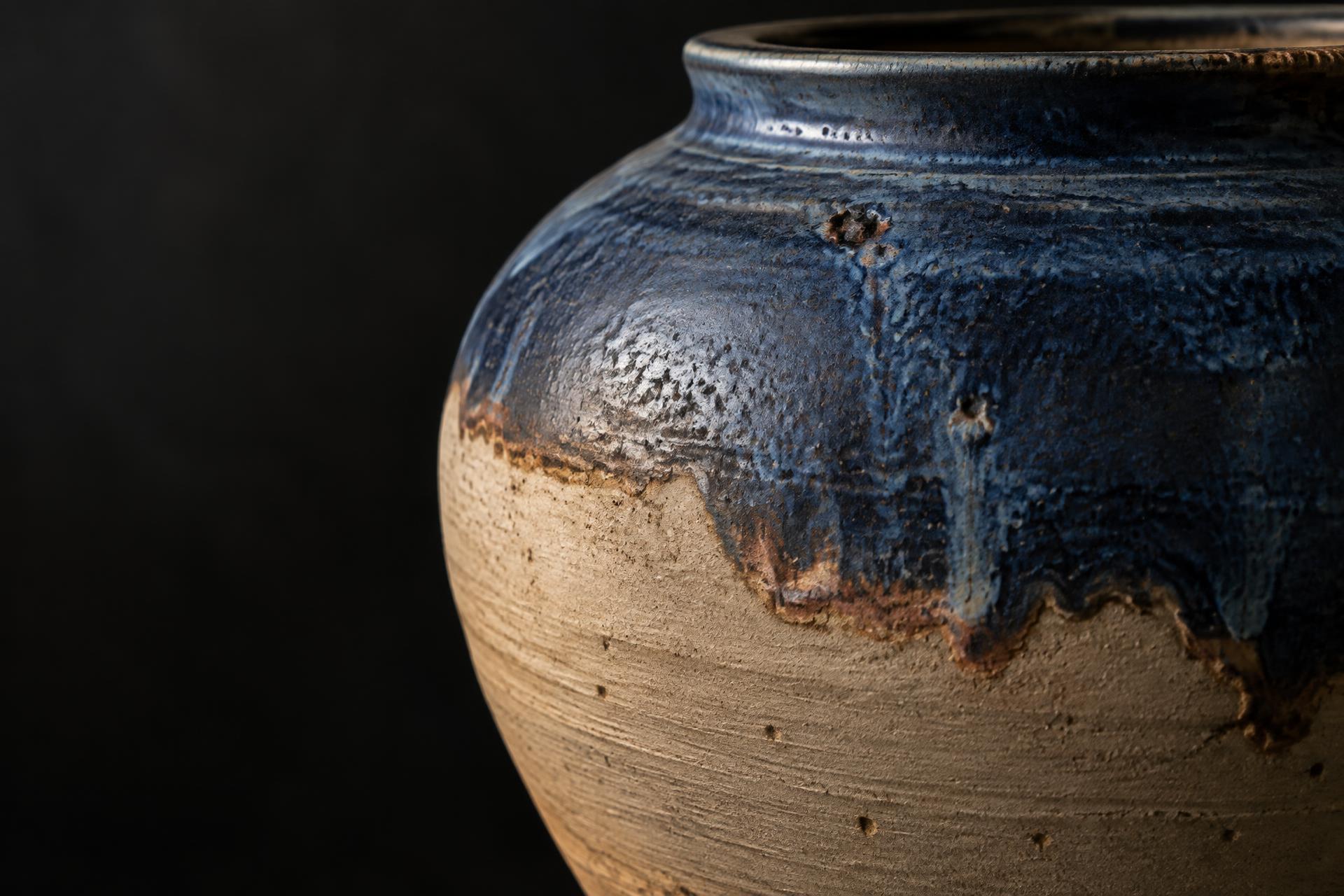
Ceramics studio concept · Indiranagar
Name the clay, note its firing range, and carry those details clearly from intake to kiln board.
A fictional studio experience by Noerong. Reservations here are sample records, not real appointments.
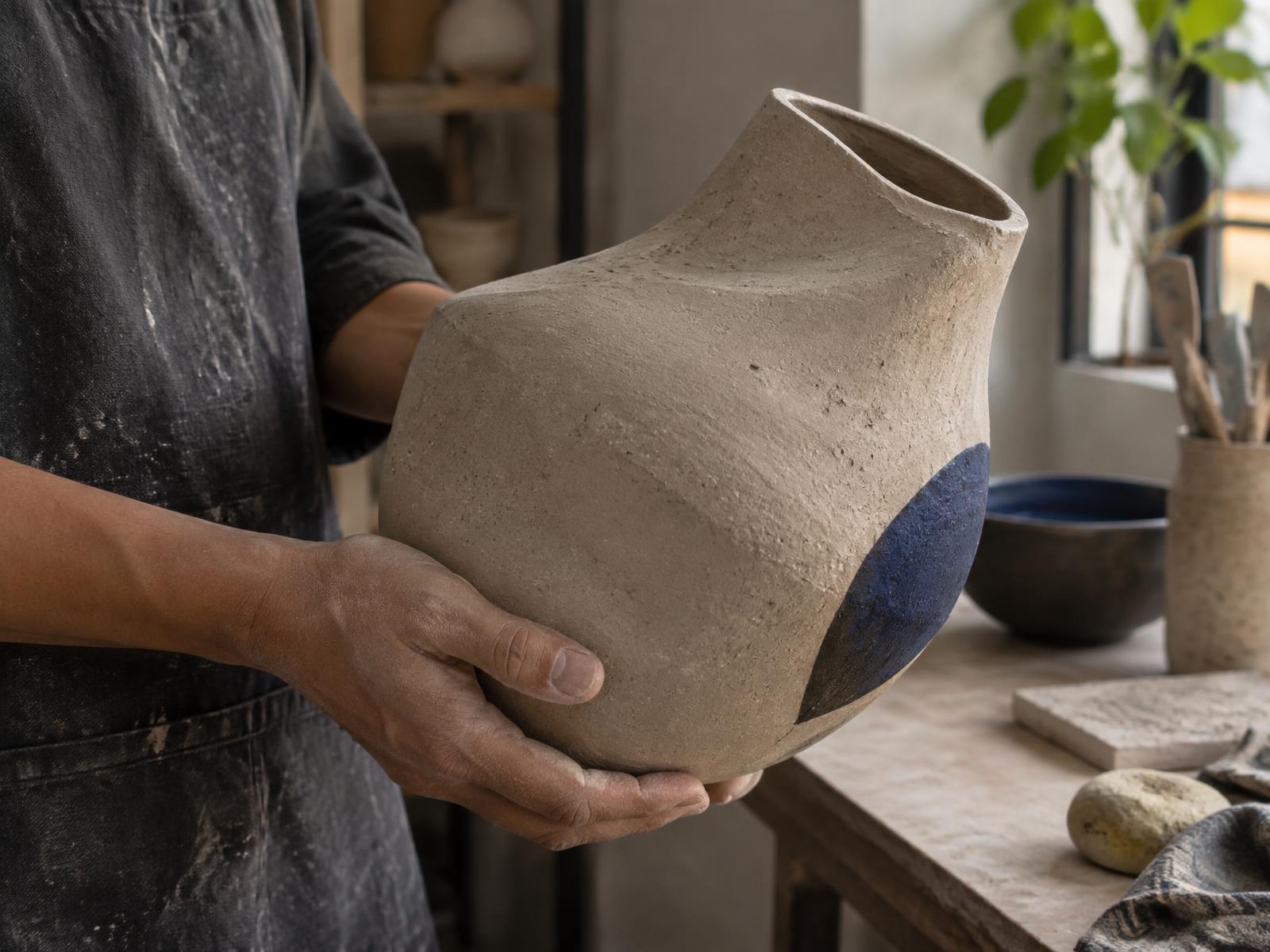
Our story
Clay body, moisture, glaze and firing range shape what can happen next. Kiln Atlas gives those details a clear place before heat enters the story.
Read our storyTwo firings, clearly held
For bone-dry greenware. The intake asks for the clay body, its firing range and an honest note on readiness.
For bisqued work with compatible mid-fire clay and glaze. Glaze information and clean, glaze-free feet are essential for inspection.
Principles
Clay, range and glaze details come before review.
Readiness is assessed; it is never reduced to a universal timer.
Inspection decisions stay attached to the piece they describe.
Uncertainty remains visible until a person can resolve it.
Choose a sample time, describe the pieces, and follow the owner’s inspection and kiln-board decisions.
Select cone 04 bisque or cone 6 glaze, then reserve a 20-minute window around the drop-off.
Clay body, firing range, glaze and readiness — the details that shape a careful compatibility review.
Inspection notes and kiln-board stages remain visible from the private status page.
The client brief · fictional
Kiln Atlas imagines a solo ceramic-firing studio in Indiranagar, Bengaluru. Its owner fields scattered inquiries, has only limited 20-minute drop-off windows, must judge clay and glaze compatibility before any firing, and loses time answering repeated “where is my work?” questions. This brief is a fictional scenario for the product, not an operating history.
Before
With Kiln Atlas
What reaches the owner’s workbench
Each reservation delivers the firing service, piece count, dimensions, clay body and rated cone, readiness answers, glaze details, notes, sample contact and chosen time together — so review can start without a single follow-up message. There are no automatic reminders or email confirmations; the private link is the record.
From hand to heat
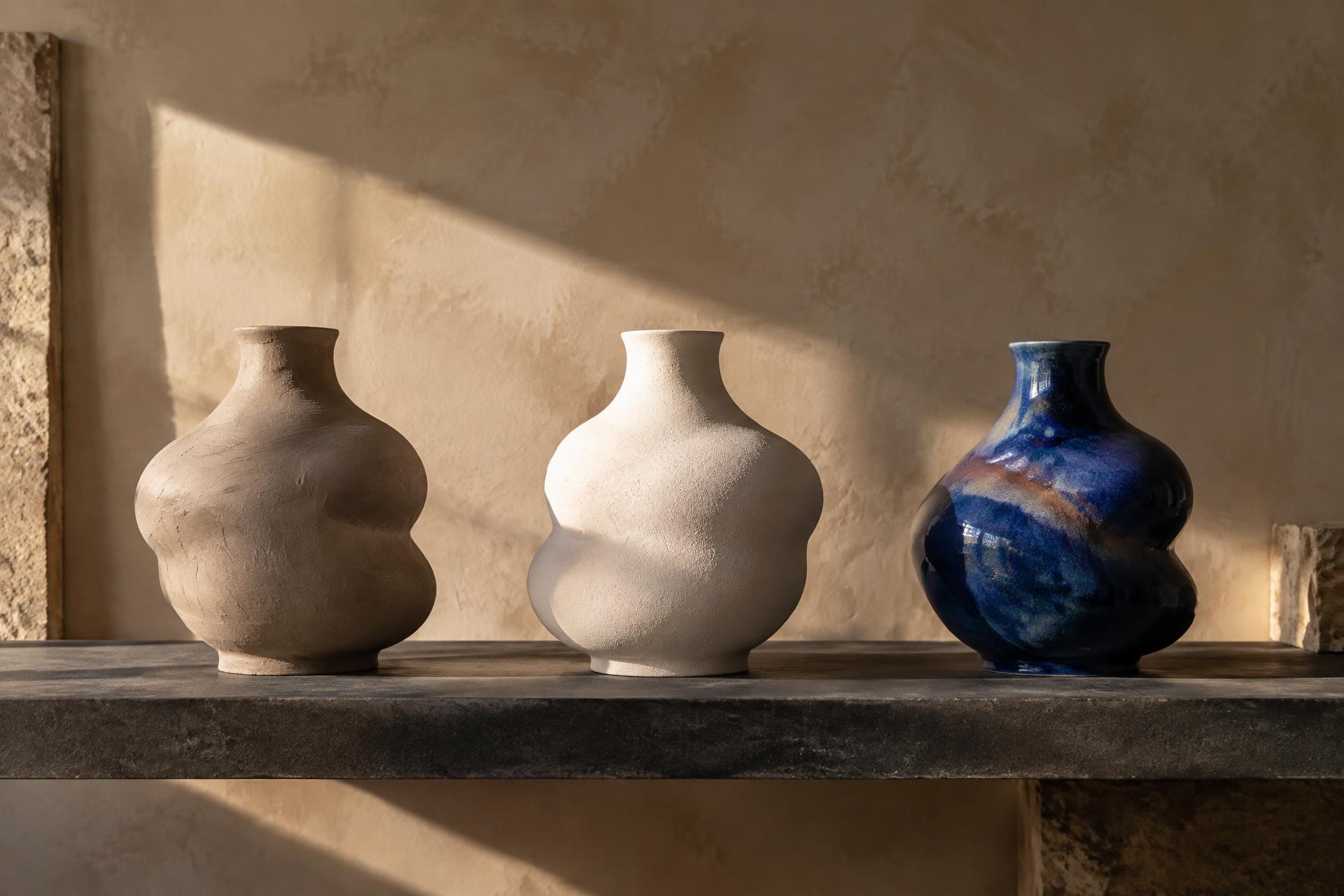
Raw clay
Begin with what the piece is made from: clay body, maker, firing range, dimensions and anything still uncertain.
Material details
Bisque
Once-fired and pale, the piece waits for a person to confirm it is ready for glaze heat.
Human judgment
Glaze
Glazed work joins the matching cone lane, with its inspection notes carried onto the kiln board.
Clear stages
What to note
A useful handoff is specific: identify the body and glaze, describe the pieces, and say plainly when something is unknown.
Selected reading
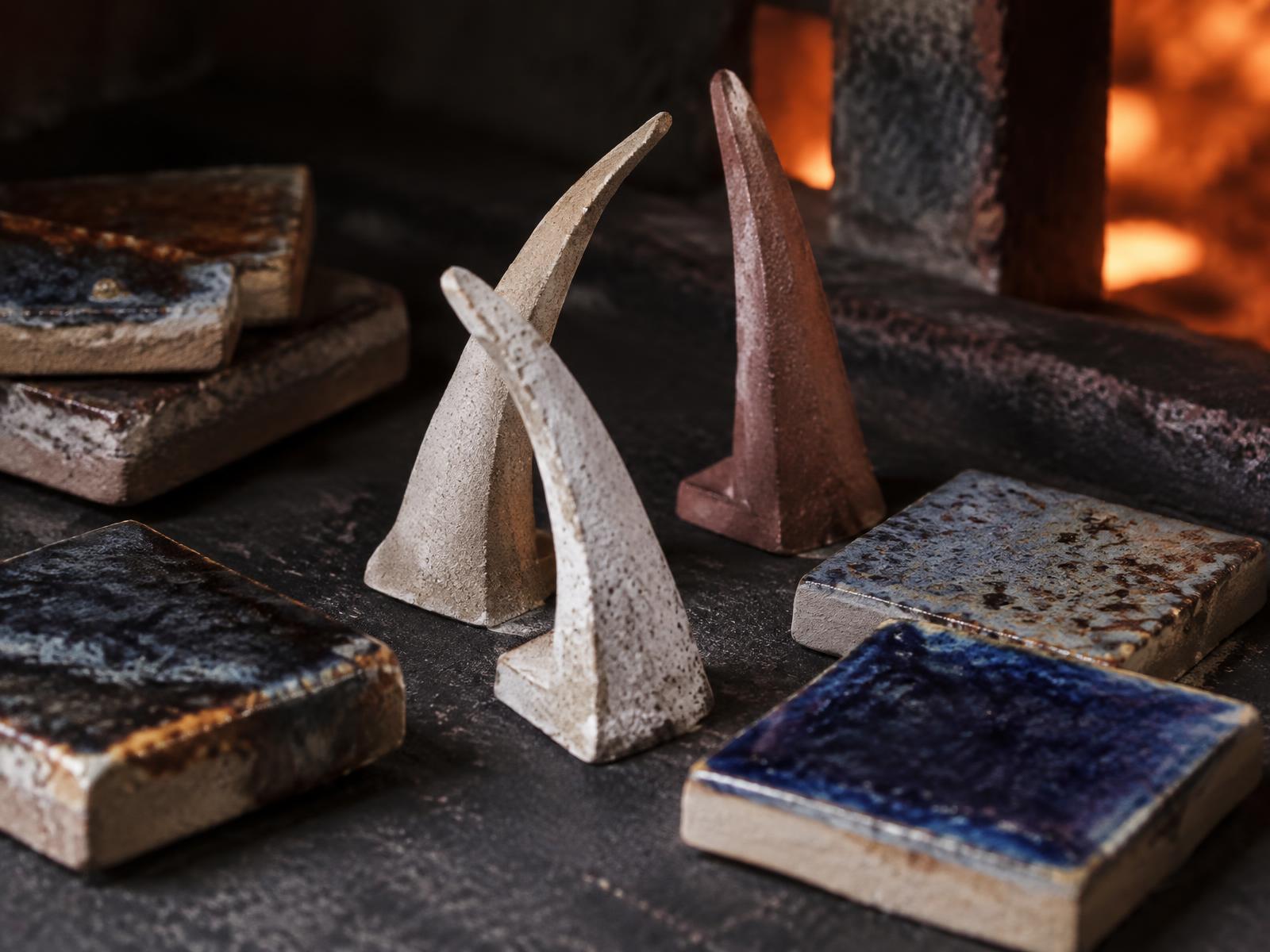
A cone names an outcome shaped by temperature and time. Understanding it begins before the kiln door closes.
Read noteDrying rarely looks dramatic. That does not make it a pause without consequence.
Read note
The most useful material note is short, specific and comfortable admitting what remains unknown.
Read noteA few clear answers
Follow a piece from clay details to kiln board.
Explore booking