01
Name the material, not the memory
Start with the clay-body name, maker or supplier, and stated firing range. A remembered description such as ‘the pale stoneware from the shared shelf’ may help a maker recognise a bag, but it cannot replace the information printed on that bag. If the source is unknown, write unknown. A clear gap is safer and more useful than an approximate label presented as fact.
For glaze work, add the glaze name or code and its intended range. Record whether the clay and glaze were tested together, recommended by the supplier, or remain uncertain. None of these notes guarantees compatibility or a result; they simply make the basis for review visible.
02
Describe the object in front of you
Piece count and approximate dimensions give the handoff a physical outline. Add known issues that may matter to inspection: a repaired join, an unusually thick base, a glaze drip that was cleaned back, or a surface treatment whose identity is uncertain. The aim is not an exhaustive diary. It is a compact note of details another person should not have to rediscover by accident.
Status language matters too. ‘Bone-dry,’ ‘not sure,’ ‘bisqued,’ and ‘glazed, awaiting review’ communicate different states. Plain words create a shared view of where the piece is now, not where anyone hopes it will be next.
03
An illustrative material card
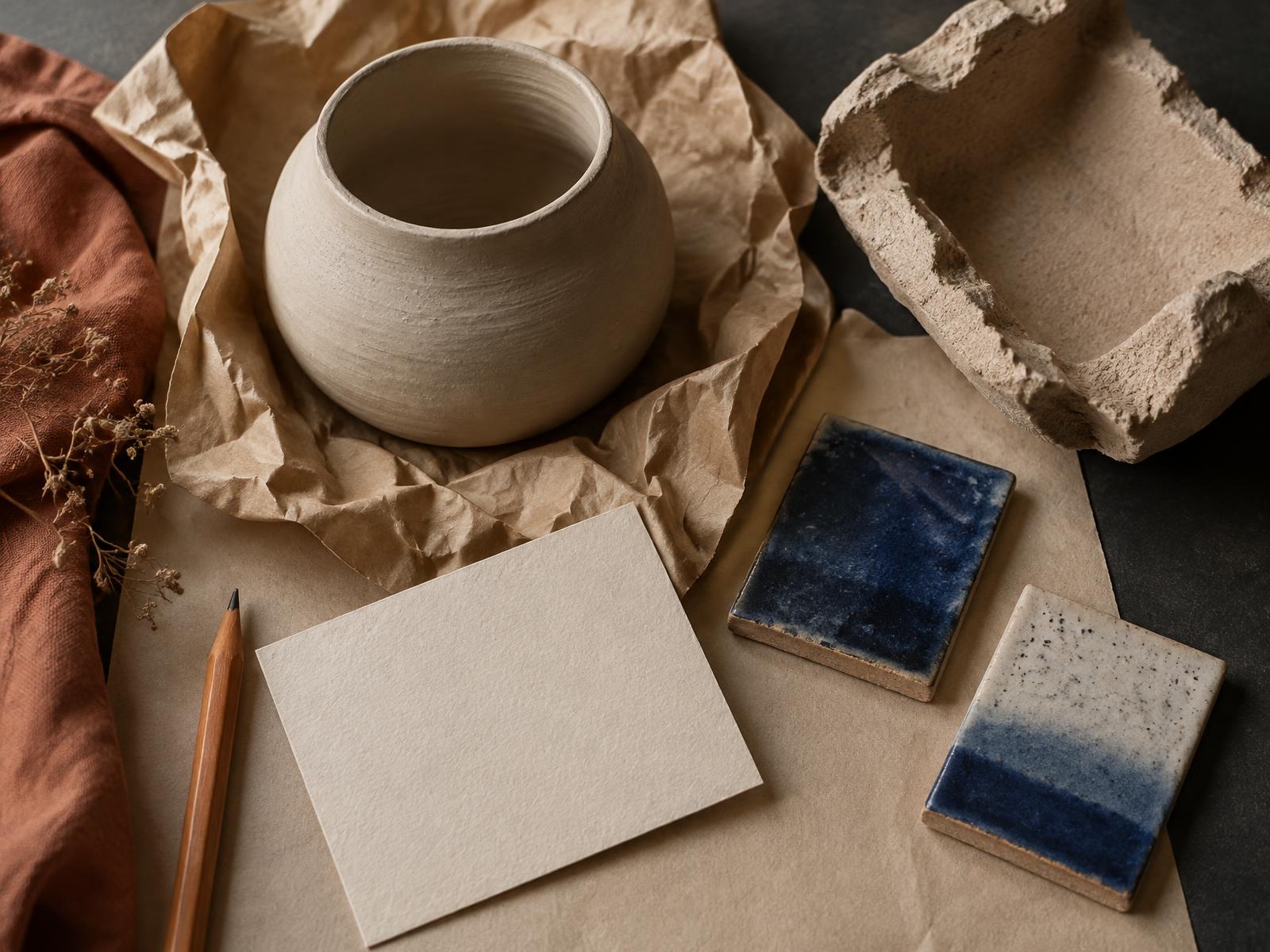
A useful card might read: two small cups; Clayworks Speckled Stoneware, maker-stated cone 5–6; River Blue glaze, maker-stated cone 6; supplier-matched, not previously tested by this maker; bases wiped clean; one handle join marked for review. Every detail here is invented for illustration. It is a model of specificity, not evidence of a real piece or a compatibility decision.
04
Let the note travel with the work
The handoff improves when the note remains attached to later decisions. Inspection can explain a pause. A batch assignment can preserve the chosen firing lane. A clear status can answer what changed without requiring another message thread.
Kiln Atlas keeps that continuity from material description to later stages. The note does not replace expertise. It gives expertise a better place to begin.