01
More than peak temperature
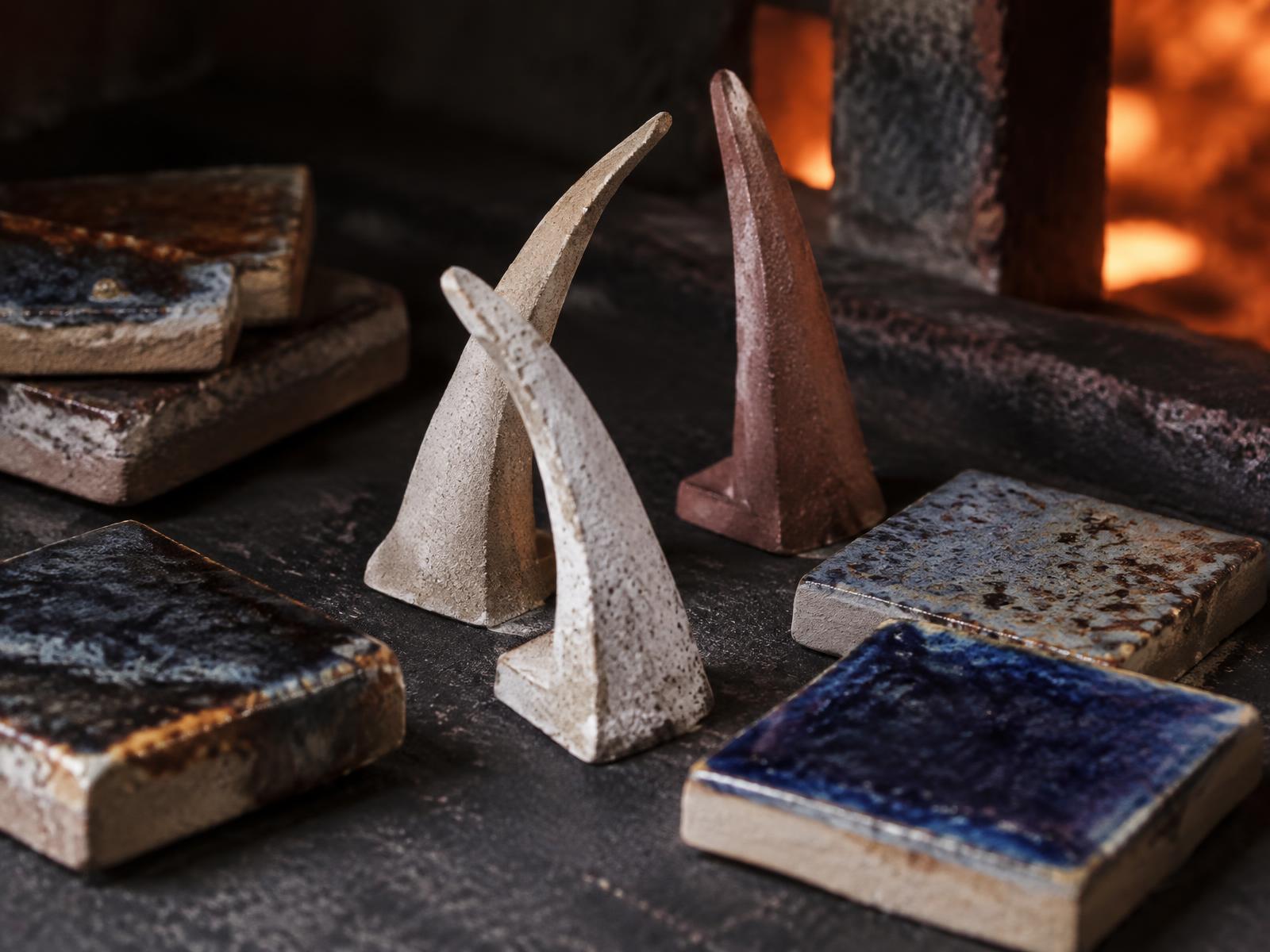
Ceramic firing is often reduced to a number, but a kiln does not simply arrive at a temperature and stop meaningfully there. Heatwork describes the combined effect of temperature and time on ceramic material. Pyrometric cones are made to respond to that accumulated work, offering a witness to what happened in the kiln rather than only what a controller displayed.
Cone 04 and cone 6 are distinct positions in a numbered system. The zero matters: cone 04 is not a shortened way of writing cone 4, and it is not interchangeable with cone 6. A material rated for one range should never be assumed suitable for another. Kiln Atlas keeps those routes separate because a clear name is the first protection against a consequential mix-up.
02
The story begins with the maker
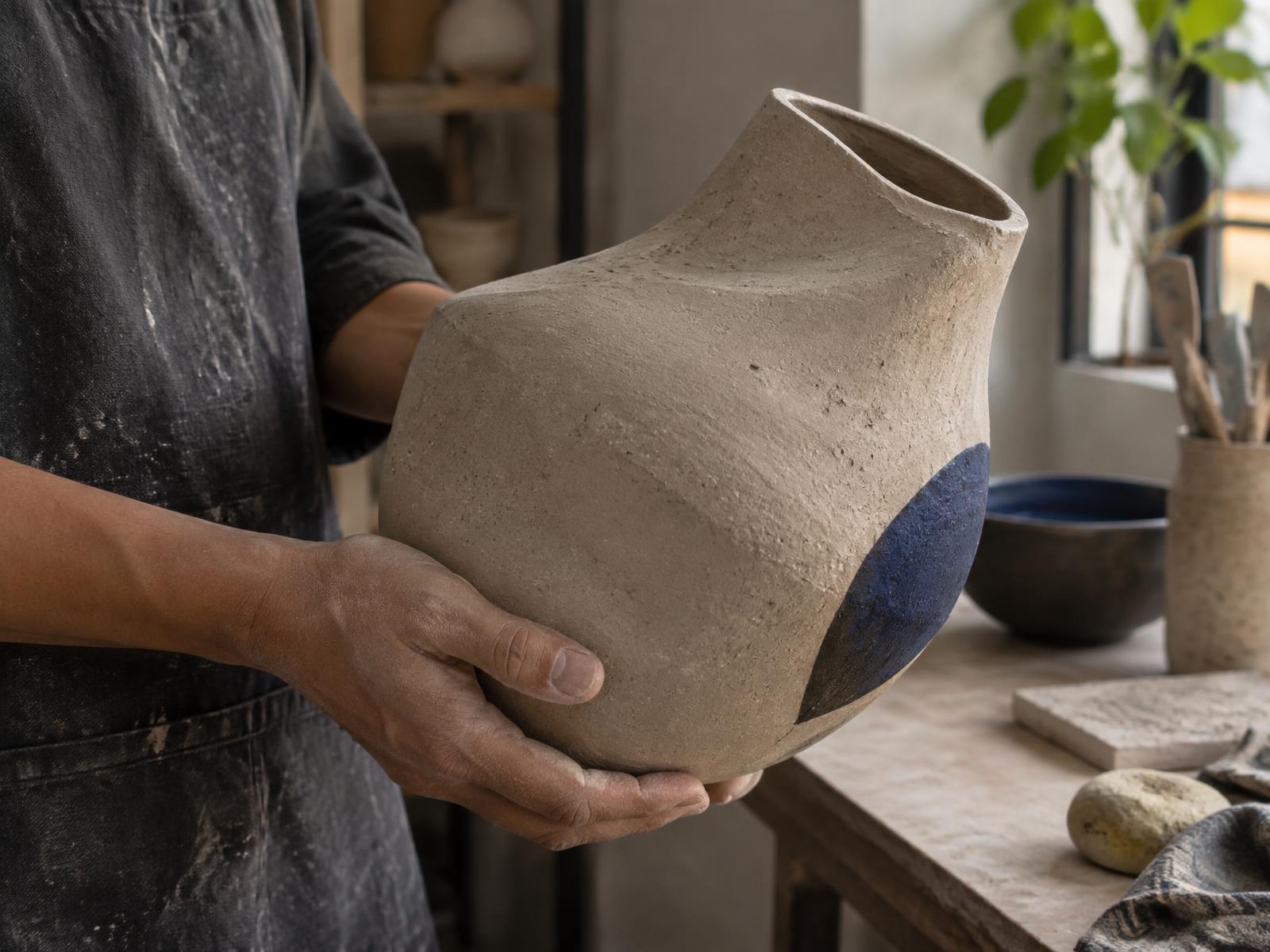
Before heat enters the story, there is the clay body, its maker, its stated firing range, and the glaze layered over it. There is also the maker’s own uncertainty: a lost bag, an inherited bucket, a test tile whose label has faded. A thoughtful intake should make space for what is known and what is not, without turning a guess into a fact.
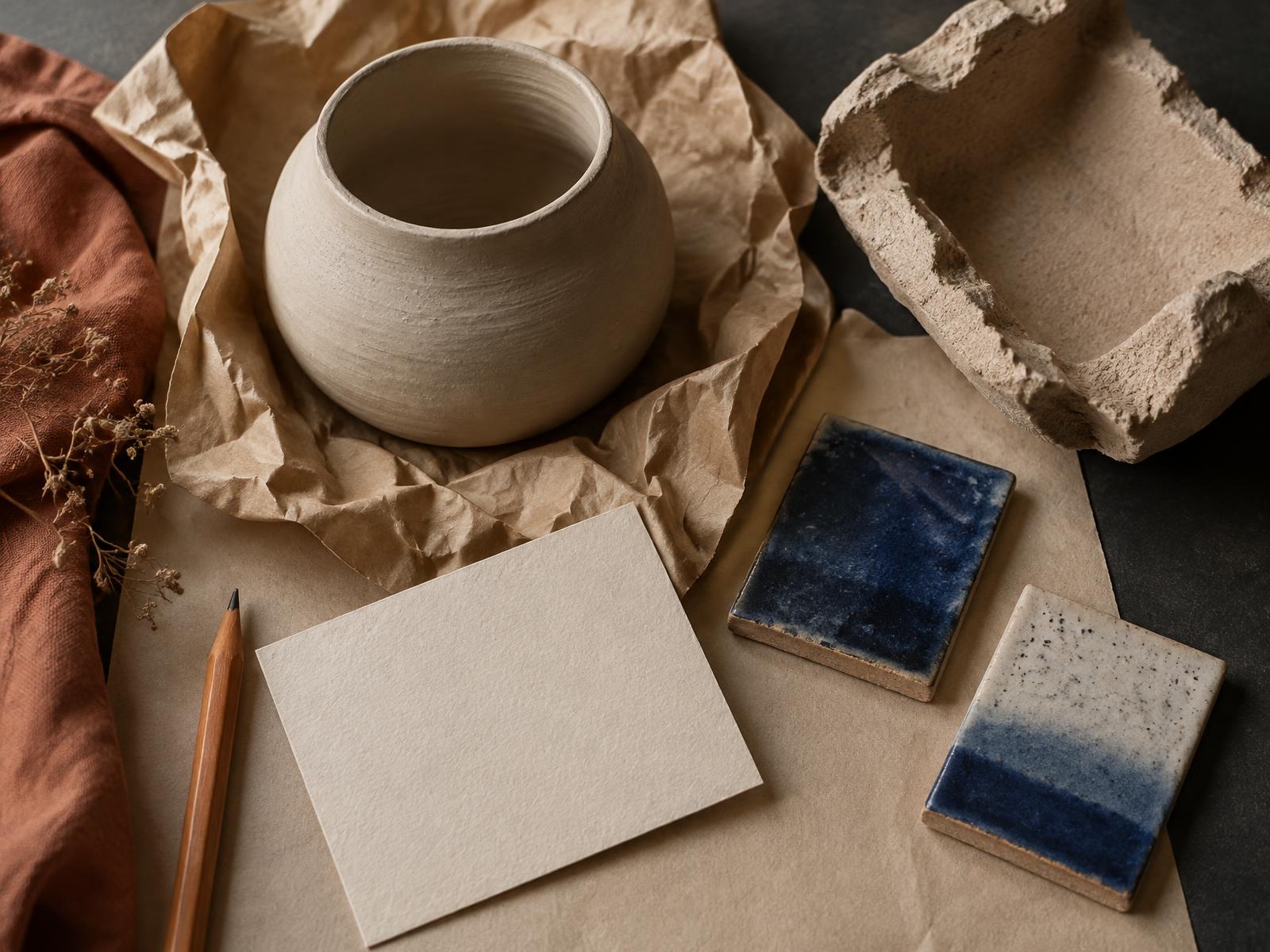
That is why Kiln Atlas asks for a clay-body name, rated cone, glaze details and compatibility status. These answers do not promise that a combination will work. They give a person something specific to review before any sample stage moves forward.
03
A history worth carrying forward
Good notes do not remove variability from ceramics. They make it easier to discuss. A note can connect a finished surface to the body beneath it, preserve a question for review, or explain why a piece pauses at inspection rather than entering a batch.
Seen this way, the cone number is not the whole story. It is one coordinate in an atlas of material decisions. The useful habit is simple: name what you used, keep the range attached to it, and let uncertainty remain visible until informed judgment can resolve it.
Technical source
The factual opening is grounded in manufacturer guidance; the reflection and workflow framing are original to Kiln Atlas.
Read Orton’s guide to pyrometric cones